
What to Expect During an Asphalt Blacktopping Project
People seeking asphalt blacktopping often want a durable, smooth surface, and local contractors can handle the entire process to ensure a quality result.
Understanding what to expect during an asphalt blacktopping project can help property owners feel more prepared and confident when considering this upgrade. Whether planning to improve a driveway, parking lot, or private road, knowing the general process and key milestones can make the experience smoother. Local contractors who specialize in asphalt blacktopping are equipped to guide property owners through each stage, ensuring the project aligns with expectations and practical needs. Exploring this topic provides valuable insights into the typical steps involved, from surface preparation to final finishing, and highlights how experienced service providers can deliver quality results.
For property owners in the area, considering asphalt blacktopping offers practical benefits such as enhanced curb appeal, improved safety, and increased property value. Understanding what to expect during the process helps in making informed decisions and setting realistic timelines. Local service providers who focus on asphalt blacktopping are familiar with the area's specific conditions and requirements, making them reliable partners for the job. Continuing to read can provide clarity on how these professionals approach each project, what preparations might be needed, and how the work is typically carried out to meet local standards and expectations.
- Residential Driveways - homeowners planning to update or replace their driveways can rely on local contractors to prepare the site and execute the blacktopping process efficiently.
- Commercial Parking Lots - businesses needing durable, smooth surfaces for customer parking can expect service providers to handle surface prep and paving with professional attention.
- Private Roads and Access Ways - property owners requiring reliable access routes often work with local pros who manage the blacktopping to ensure long-lasting results.
- Repair and Resurfacing - those dealing with existing pavement issues can find local contractors experienced in patching, crack filling, and resurfacing for improved durability.
- New Construction Projects - developers and builders planning new asphalt surfaces can connect with service providers to manage site prep and blacktopping to meet project specifications.
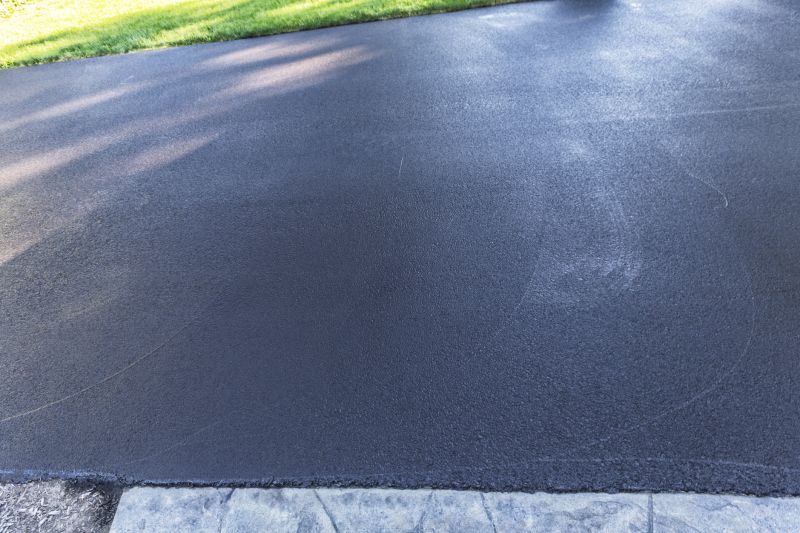
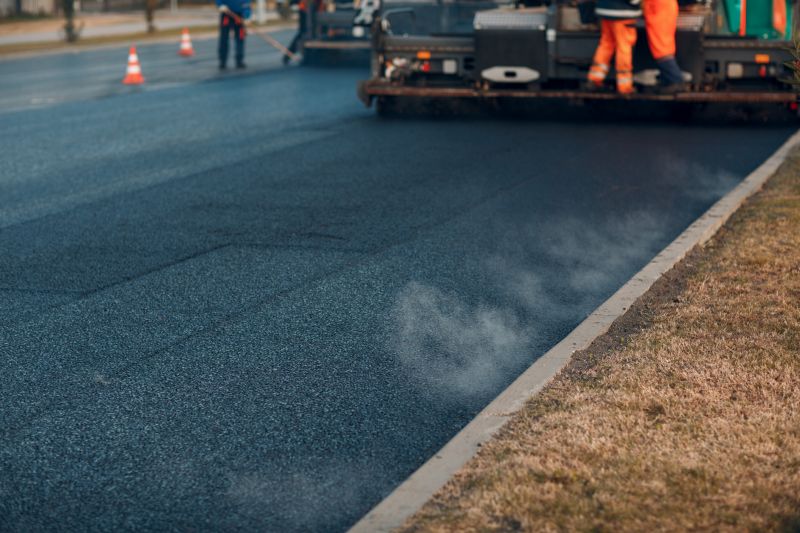

Understanding what to expect during an asphalt blacktopping project can help homeowners prepare for the process of resurfacing or installing a new driveway or parking lot. When people search for this topic, they are often seeking clarity on how the work will unfold, what steps are involved, and how long the project might take. Typically, homeowners want to know about the different stages, from preparation and removal of old pavement to the final surface application. Knowing what happens at each phase can reduce uncertainty and help ensure the project runs smoothly, especially when coordinating with local contractors who specialize in asphalt blacktopping.
The scope of an asphalt blacktopping project usually relates to property improvements or repairs. Common reasons for seeking blacktopping include replacing an aging or damaged driveway, creating a new parking area, or upgrading an existing asphalt surface. Problems such as cracks, potholes, or uneven surfaces often prompt homeowners to consider blacktopping as a way to restore functionality and curb appeal. Additionally, plans for expanding a property or improving drainage can lead to resurfacing projects. Local asphalt blacktopping service providers are experienced in addressing these issues, helping property owners develop solutions that fit their specific needs.
Properties that come up in discussions about asphalt blacktopping tend to vary widely but generally include residential driveways, commercial parking lots, and small-scale private roads. Residential properties often seek blacktopping to improve curb appeal and safety, while commercial sites may require durable surfaces that can withstand heavy traffic. Some property owners also look into blacktopping for community spaces or recreational areas. Regardless of the property type, local contractors are equipped to handle different sizes and scopes of projects, ensuring the work aligns with the property’s specific requirements and usage expectations.
During an asphalt blacktopping project, homeowners can typically expect a series of well-defined steps. The process often begins with site assessment and preparation, which may involve removing old pavement, grading the surface, and ensuring proper drainage. This is followed by the application of a base layer and then the asphalt itself, which is carefully spread and compacted to create a smooth, durable surface. Once the blacktopping is complete, some contractors may perform finishing touches like sealing or marking. Throughout the project, local service providers focus on efficiency and quality to deliver a finished surface that meets the property owner’s needs, providing a reliable upgrade for years to come.
Paving Repair Services - these projects involve fixing damaged or uneven surfaces, requiring similar planning and surface preparation as asphalt blacktopping projects.
Driveway Resurfacing - resurfacing existing driveways involves similar surface assessment and material application techniques used in asphalt blacktop work.
Parking Lot Resurfacing - this type of project requires careful planning and surface preparation, paralleling the steps involved in blacktop installation.
Sidewalk and Pathway Paving - installing or repairing walkways involves similar tools and surface preparation processes as asphalt blacktopping.
Sealcoating Services - applying protective coatings on asphalt surfaces shares techniques and surface considerations with blacktopping projects.
Roadway Paving - large-scale paving projects involve extensive planning and surface work that align with the skills used during asphalt blacktop installation.
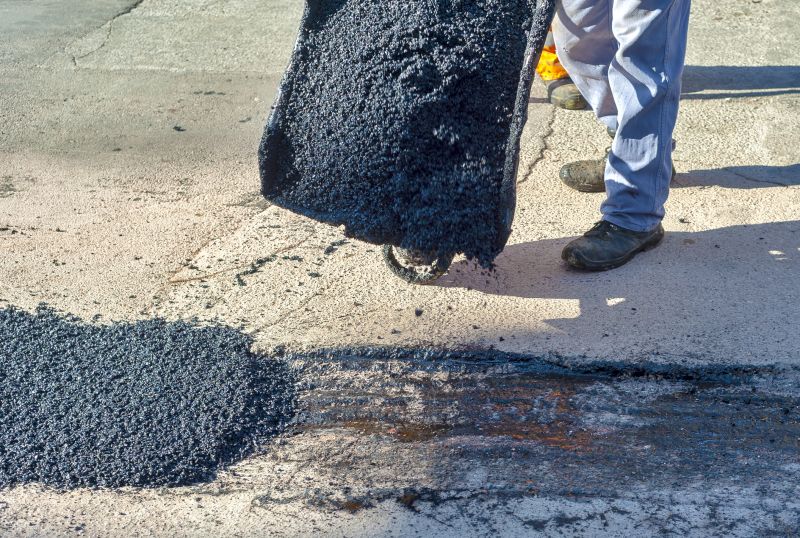
When comparing asphalt blacktopping services, it is important to evaluate the experience of local contractors with similar projects. Homeowners should inquire about the types of surfaces the service providers have worked on and their familiarity with driveway or parking lot blacktopping processes. Experienced contractors are more likely to understand the nuances of preparing the existing surface, applying the asphalt properly, and ensuring a durable finish. This background can help set realistic expectations for what to anticipate during the project and contribute to a smoother process overall.
Clear and detailed communication from potential service providers is essential when planning an asphalt blacktopping project. Homeowners should seek out local contractors who can articulate the steps involved, explain any necessary preparations, and outline what the project will entail from start to finish. Having written expectations or a scope of work can help prevent misunderstandings and ensure everyone is aligned on the goals. Good communication also allows for questions to be addressed promptly, providing peace of mind and a clearer understanding of what to expect during the work.
Reputable references and a history of positive feedback are valuable indicators of a reliable service provider. Homeowners can ask for contacts of previous clients or look for online reviews to gauge the experiences of others who have hired the same local pros. Consistent, positive references suggest a track record of completing asphalt blacktopping projects successfully and professionally. Ultimately, selecting a contractor with strong references and transparent communication can contribute to a more predictable and satisfactory experience, making it easier to understand what to expect during the asphalt blacktopping process.
Property owners often search for what to expect during an asphalt blacktopping project when they are planning practical projects around their homes and businesses. Local pros provide Asphalt Blacktopping services for everyday jobs and straightforward project options.
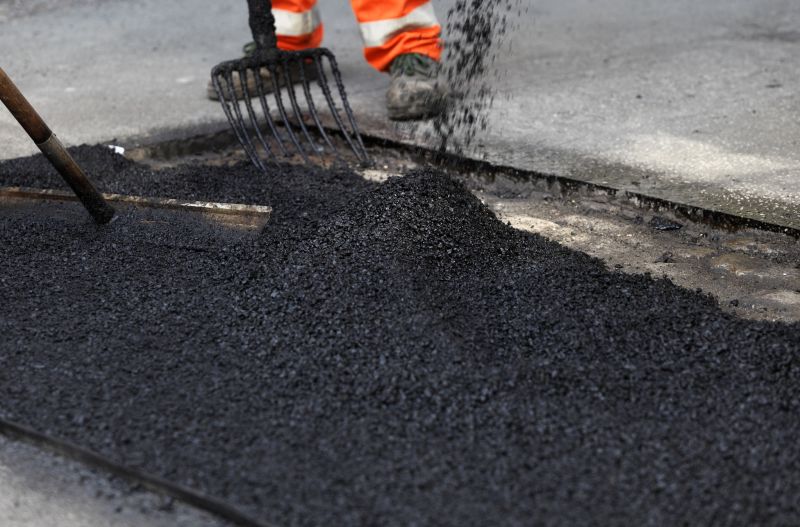
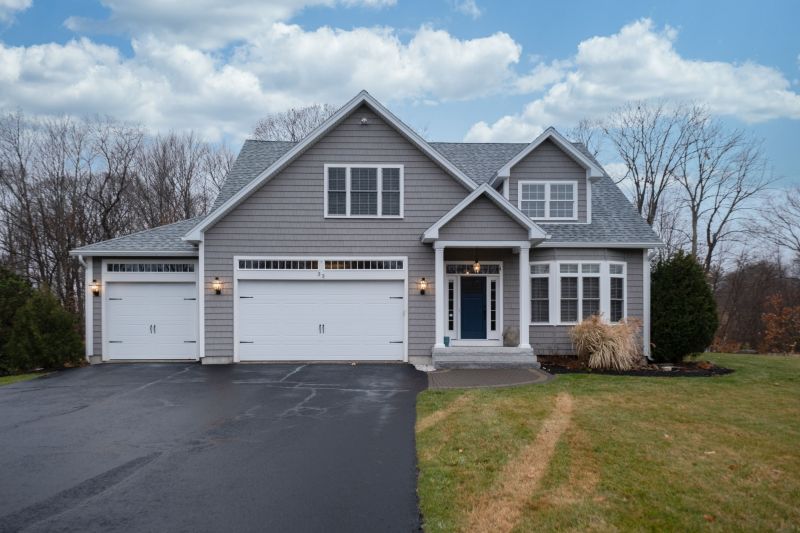
During an asphalt blacktopping project, property owners can expect to see a typical process that involves preparation, paving, and finishing touches. On the day of the work, local contractors usually arrive equipped with the necessary tools and materials to remove existing surfaces, grade the area, and lay down the new asphalt. It’s common to experience some disruption, such as limited driveway access or temporary signs indicating ongoing work, but these are standard parts of ensuring a smooth and durable surface. Property owners might also notice the smell of fresh asphalt and the sound of machinery, which are normal during the paving process.
Understanding what to expect during an asphalt blacktopping project can help property owners plan accordingly. It’s typical for local service providers to advise on any necessary preparations, like clearing the area or removing vehicles, to facilitate the work. Once the asphalt is laid, it will need time to cure and settle before it can be fully used. During this period, there may be minor uneven spots or a need to avoid heavy traffic on the new surface. Connecting with experienced local contractors ensures the project is handled efficiently and that the final result meets expectations for durability and appearance.
What is the typical process during an asphalt blacktopping project? During an asphalt blacktopping project, local contractors usually prepare the existing surface, apply a layer of hot asphalt, and then compact it to create a smooth, durable finish. They ensure proper grading and drainage are maintained throughout the process.
How do local service providers handle surface preparation? Local pros typically remove any old pavement, debris, or loose material, and may grade or level the area to ensure a solid foundation before applying the new asphalt layer.
What should I expect regarding the appearance during the blacktopping process? During the process, the surface may be hot and shiny with fresh asphalt, gradually settling and cooling as the work progresses. Contractors aim for an even, uniform surface once completed.
Are there any disruptions or activities I should anticipate during the project? It's common to experience some temporary disruptions, such as restricted access to the area or minor noise, while local contractors complete the blacktopping work.
What is involved in the finishing and curing phase of an asphalt blacktopping project? After the asphalt is laid, contractors may perform initial rolling to ensure compaction, and the surface will need time to cool and cure before it can be fully used, which is typically handled by local service providers.
Preparation Process - Property owners can discuss with local contractors about how to prepare the area, including removing debris and ensuring proper drainage before blacktopping begins.
Project Timeline - Understanding the typical stages involved helps property owners plan for potential disruptions during the asphalt blacktopping process.
Material Selection - Consulting with local service providers about different asphalt options can help property owners choose a durable surface suited to their needs.
Post-Project Care - Learning about recommended maintenance practices from local contractors can help preserve the new blacktop and extend its lifespan.
If you are thinking about what to expect during an asphalt blacktopping project for a property, this guide is meant to help you understand this topic, the typical project types, and how different options might fit your plans.
When you are ready, you can use the quote form on this page to share a few details about your project. From there, local pros can review the basics and follow up with options that match what you have in mind.